by Chris Millikan
 West Maui has attracted holidaymakers for centuries. Even Hawaii’s legendary Kamehamehas recognized a good thing when they saw it. Staging extravagant luaus, they surfed and played on Kaanapali’s golden beaches for days. But, abandoning that laidback beach-life for a day, my husband and I joined other history buffs on a Historical Trail and Legends tour, alternately shuttling and walking into an alluring past. Meeting us under a thatched hale fronting Royal Lahaina Resort, two guides helped us visualize Ka’anapali’s bygone days. “Abundant mango orchards once flourished here and in immense gardens, villagers cultivated sweet potatoes and taro for Maui’s kings,” Keli’i grinned, “favoured staples to this day.”
Our shuttlebus then stopped beside the Eldorado’s golf course where rusty-brown pohaku stones rested behind a hedge. Miliani explained, “Uncovered during resort development, these artifacts reflect familiar legends: demigod Maui turned his la-a-a-z-y friend into that large stone, for example, to sleep permanently…a tough lesson for mocking hard work!”
 Pointing northward to Kahekili Beach Park, she continued, “Warriors trained there…and Hawaiians launched their koa-wood canoes to visit Lanai.” Also nicknamed Airport Beach, old airstrip fragments remain off in the bushes. “The terminal’s Windsock Bar was well-known by travelers between 1960 and 1987 for great Bloody Marys,” Keli’i winked.
At Black Rock, popular with today’s snorkelers, we pictured ancient temples perching on top. “Still sacred in modern Hawaii, our souls leap into eternity from up there,” pointed Miliani. “And divers jump at sunset, just like Maui’s last great chief, known for cliff-diving.”
During the plantation era, a prosperous racetrack had stretched down the spectacular sandy oceanfront. And on the Black Rock’s other side, a mile-long pier off-loaded sugarcane and cattle to waiting ships.
Lush fairways along Ka’anapali’s Parkway covered an ancient battleground where royal half-brothers waged fierce war against each other to establish the island’s ruler.
“During battle that stream flowed with the blood of thousands of warriors, colouring foreshore waters red at Hanakao’o Point,” said Keli’i. And Miliani chimed in, “One legend says that to avoid sacrifice, Hina hid her son Maui up in the guardian owl’s secret cave at the stream’s source.”
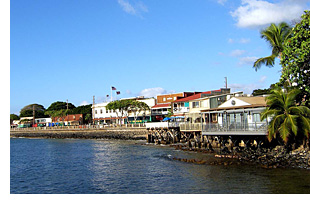
Lahaina shimmered in the distance, our afternoon stop. Conquering Maui and marrying into its royal family, Kamehameha the Great designated this town first capital of a united Hawaii.
Hopping into our rental, we headed for Banyan Tree Park. Locals told us the magnificent tree planted in 1873 now shades almost an acre. Watching carvers finish canoes for the annual Festival of Canoes, I mused, “There’s always something cool going on here…festivals… markets… music…celebrations…”
Ducking through the rear door of the old Courthouse prominent on Wharf Street since1859, we wandered through the Heritage Museum and Art Gallery before picking up free historical guides at the Visitor’s Center there.
Toward the end of the harbour, we located the hauola stone, a sacred place for royal birthing and the floor of Kamehameha III’s brick palace, a royal residence until the 1850’s. He’d also commissioned the lighthouse nearby, initially a wooden tower with whale-oil lamps kept alight by Hawaiians for $20 a year.
The Pacific Fleet’s homeport from 1820 to 1860, hundreds of whaling ships anchored here, gritty grogshops lined streets…and Herman Melville rambled around town scribbling notes for Moby Dick. The Pioneer Inn dating to 1901 still posts strict turn-of-the-century regulations in its rooms.
 Back at Banyan Park’s southwest corner, fort remnants from 1831 endure, originally built after raucous sailors lobbed cannonballs into town, disputing with missionaries over Hawaiian women visiting their ships. Demolished twenty years later, hand-cut coral blocks from its 20-foot-high walls built the jail standing at Prison and Waine’e Streets.
After peeking into the tiny spartan cells built for drunks and deserters, we found the first Christian graveyard; Waine’e Cemetery’s royal burial sites have been sacred to Hawaiians since 1823.
Nearby, Seamen’s Cemetery interred Melville’s cousin and several shipmates, among others. Further along, chiefs and commoners, captains and sailors, missionary’s children and elders lay in Waiola Churchyard.
Between Waine’e and Front Streets, Hawaiian Kings and powerful chiefs had lived in regal compounds on a tiny island in a freshwater pond. After removing sacred entombed remains, coral rubble filled in this 14-acre pond to install a ballpark in 1918. Friends of Moku’ula now work to restore former glory.
Nicknamed Venice of the Pacific, canoe channels once connected countless taro terraces in what is now Lahaina’s downtown.
Hawaii’s last monarch, Queen Liliokalani grew up in a grass house near Canal Street; today, the Episcopal Church there features a rare koa altar and beautiful Hawaiian Madonna. In Kamehameha Iki Park next-door, Kamehameha IIIs two-storied oceanfront palace stands unfinished…he’d preferred pili-grass beach-huts cooled by trade winds.
Spreading kukui-nut trees shade Lahaina’s oldest buildings on Front Street. Docents at Baldwin House related tales about its influential residents. “This dynamic mission and medical center was built of coral, stone and wood in 1834; most of these 19th-century furnishings were payment for services.
Doctor Dwight Baldwin had saved thousands of lives on Maui with the early use of smallpox vaccinations and vigilant quarantines.” When asked about their wealth, she added, “Their youngest son built irrigation flumes critical to the sugarcane industry’s success, creating a fortune.”
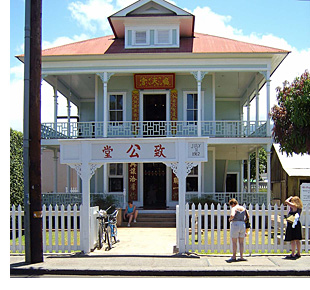
Down the block, two-storied Wo Hing Temple served Chinese sugarcane workers; now rare artifacts and altars showcase their island history. Surrounded by gigantic rusted woks and kitchen implements in the adjacent community cookhouse, we absorbed the romance of old Hawaii captured by Thomas Edison in his earliest movies.
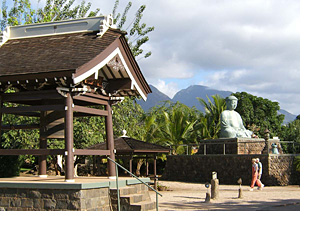
Our exploration ended on Jodo Mission’s peaceful grounds. A five-tiered pagoda soars into cloudless blue skies and the largest Buddha outside Japan sits serenely against sweeping views of West Maui’s pastoral Mountains…ideal for contemplation of the fascinating history uncovered that day.
About the author:
Traveling Tales this week welcomes Canadian freelanace travel writer Chris Millikan who lives near Vancouver, on Canada;s West Coast.
Photos by Chris Millikan
1: Lahaina Wo Hing Temple.
2: Overview of old Lahaina.
3: Lahaina Jodo Mission.
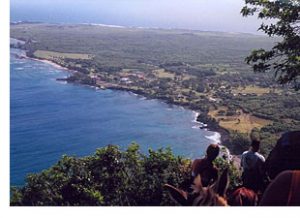 Soon after mounting mules we zigzag down the 3.8-mile trail into Kalaupapa for a closer look. Winding under forested canopies, descending 1700 feet and rounding 26 switchbacks, mules carry us steadily downward on stony steps and onto sunny ledges. While my mule Elvira chomps lacy fern, I feast on spectacular panoramas. Ultimately we pass a white bark kukui nut tree grove where black feral goats rummage as we continue along a wide black sand beach.
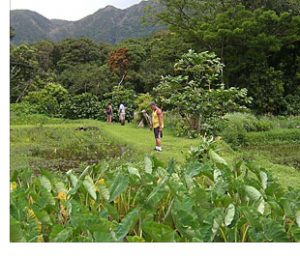 Bananas, guava trees and papayas line a gradually rising pathway. Aki proudly shows us sixteen taro patches, reestablished after clearing a forty-year growth of brush and trees. Upriver, his taro cooperative built a dam high enough to divert water to life-sustaining taro channels. We ford the knee-deep river below the reservoir and trek a muddy meandering trail into dense forest.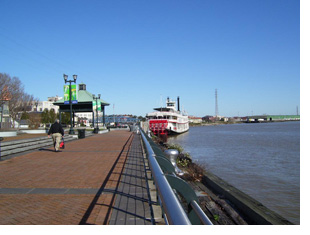
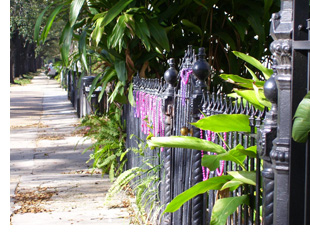 My fears began to subside, as the taxi entered the French Quarter. It seemed almost untouched from the days, years ago, when I would ride the ferry across the Mississippi and spend a day or evening walking the streets, eating amazing food, and listening to the magic of native New Orleans jazz.
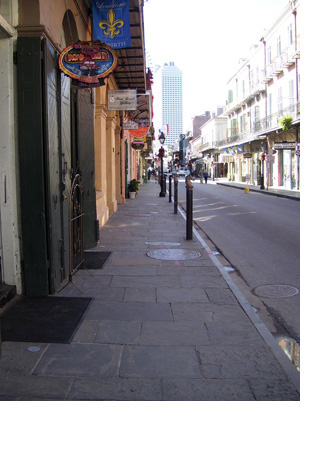 Jackson Square remained much as I remembered it. We walked the square and stopped to visit with the hack drivers who provided horse-drawn guided tours of the Quarter until we selected the one who would be our guide.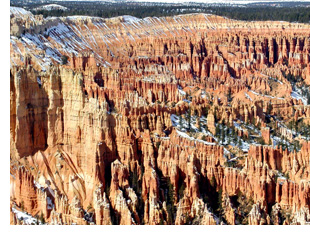
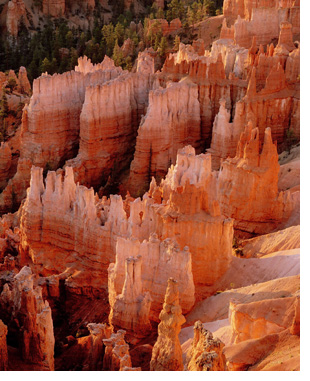 Towering Ponderosa pines, high elevation meadows and fir-spruce forests that border the plateau rim abound with wildlife. Scientists say that this area boasts some of the world’s best air quality. It also offers panoramic views of three states with nearly 200 miles of visibility.
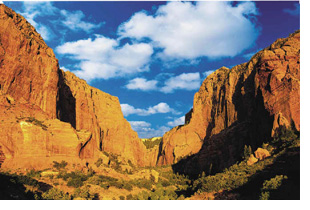 The best way to experience Zion’s massive canyons walls that soar skyward is to walk among the towering cliffs or through small narrow canyons. These unique sandstone cliffs range in color from cream, to pink and red and have been described as sand castles crowning desert canyons.
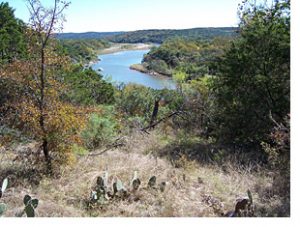 My family and I start the day with a canoe ride at the creek, dipping oars into the shallow, murky water of the Brazos River and watching the occasional fish somersault into the air before returning to the shallows.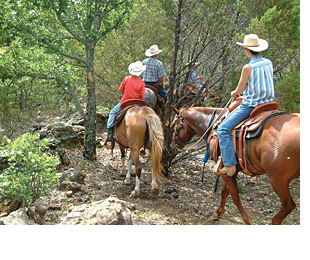
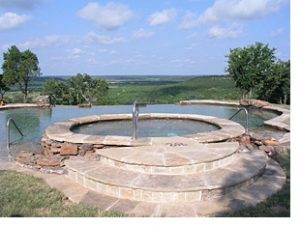 Back at the ranch there is a wide array of uniquely Texan activities to keep us busy. Jason, my five-year-old son, takes a stab at archery with his dad, while I peruse other possibilities, among them skeet shooting, fishing and hunting.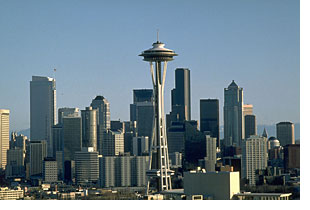
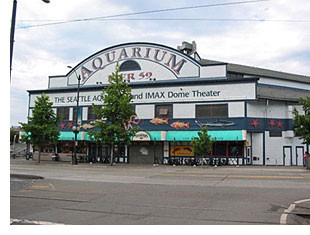 Since Puget sounds plays such a large role in Seattle’s geography it is no wonder that there are many water activities for the visitor. Argosy Cruises is Seattle’s largest water sightseeing tour operator and there are dinner and lunch excursions as well.
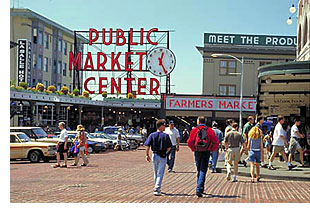 The Seattle Center is where the 1962 World’s Fair actually took place and now it is a 74-acre park with museums, theatres and other attractions that constantly draw crowds. Make your way to the waterfront since it’s a treat to watch the ferry boats, luxury cruise liners and sightseeing tour boats all move around at once.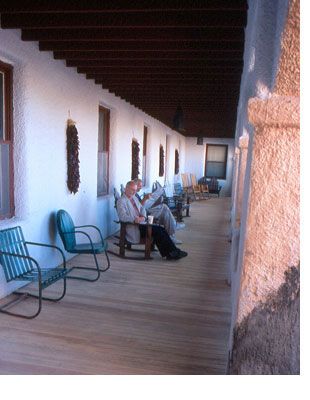
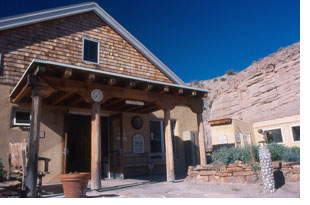 Heading back down the switchback, I paused to enjoy the view and shoot some photos. Anticipating a reward for my exertions, I had a relaxing massage booked to help me unwind. Following supper, I planned to enjoy the spa’s naturally hot mineral pools to further reduce me to a mass of human Silly Putty.
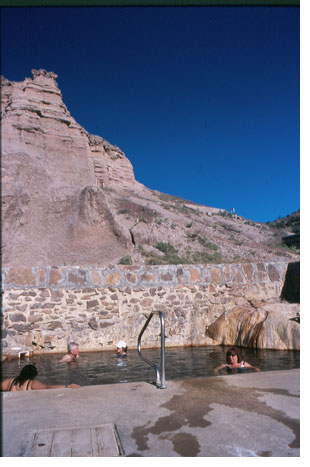 There is nothing quite so invigorating, yet at the same time totally relaxing, as taking the waters in a hot mineral pool at night, watching the desert stars come out to sprinkle the darkening skies with their twinkling brightness.
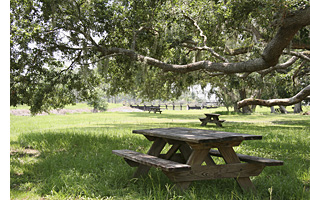 With a broad sweep of his arm, he pointed out a peculiar natural phenomenon, open spaces shaded by heavy clumps of Spanish moss hanging in surreal patterns from the branches of ancient spreading oak trees “We call these places hammocks.” he told us,” its and old Indian word, means shade and comfort. The oaks have outlived the pine, but if there is a fire, the oaks burn and pines don’t. Fire in the forest is nature’s way of cleaning it up.”
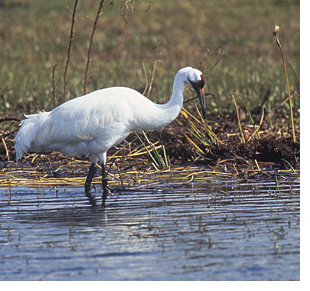 This was a first sighting for one of our group and he happily added this rare bird to his life list. We spied stately cormorants, green backed herons, a crested cara cara, black ducks, osprey and a shy limpkin. “People come from all over the world to site just one of our birds. That’s a birder for you.”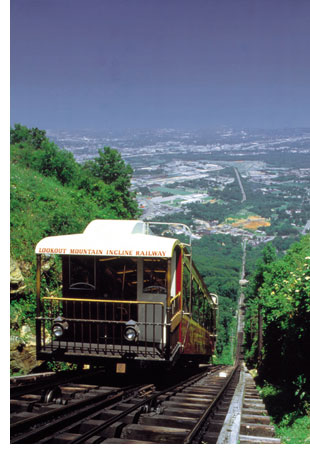
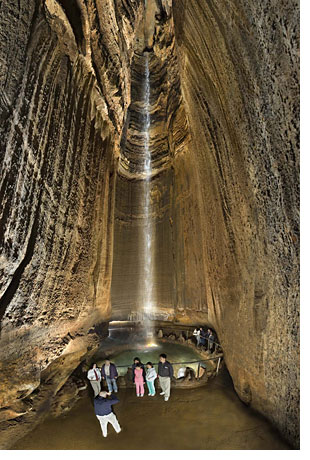 Since 1929 this place has been attracting tourists deep within the underground caverns of Lookout Mountain. The final result is a magnificent 145-foot thundering waterfall that is worth the walk among the various types of formations and rimstone pools.
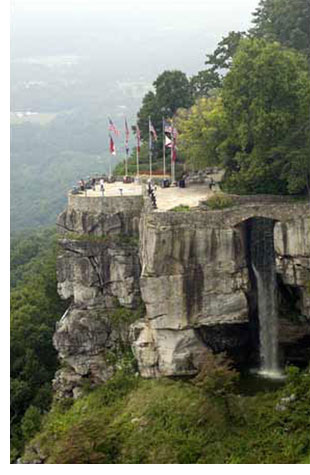 There is a panoramic view of seven states (Alabama, Georgia, Kentucky, North Carolina, South Carolina, Virginia and, of course, Tennessee) and as they say “on a clear day you can see forever” while standing atop this historic mountain.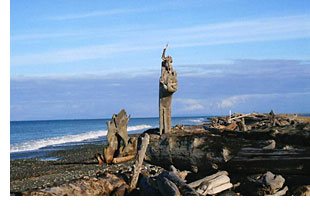
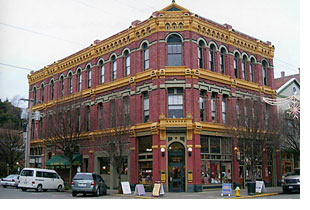 Originally named in 1792 by Capt. George Vancouver for the Marquis de Townsend it did not officially become a community until 1851. It never reached its expected glory when the railroad terminal landed elsewhere but the legacy of its leavings are there for the viewing with a self guided walking/driving tour of its Victorian charm
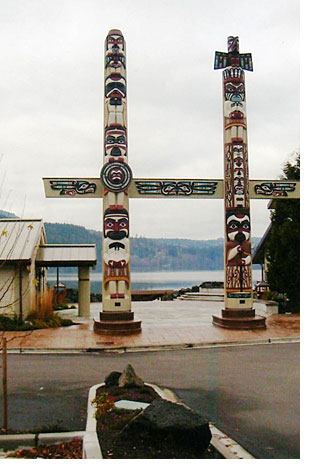 Port Townsend is also the terminal for the 30 minute Whidbey Island ferry run. The Island stretches long and thin through Puget Sound and is linked by bridge to the Mainland in the north. No less than five state parks, all set upon the coasts compliment its community parks and add to the rural laid back atmosphere. Two, Fort Casey and Fort Ebey State Parks house remnants of the forts which formed part of the ring of fire threatening anyone who dared consider an attack through the sound.