Hidden European Villages Worth Exploring This Year
I arrived just before dusk, suitcase rattling over cobblestones, church bells echoing across an empty square. The air smelled of woodsmoke and bread. No tour buses. No souvenir stalls shouting for attention. Just a dog barking behind a stone wall and a woman watering geraniums from her balcony. That evening reminded me why I seek out hidden European villages worth exploring instead of crowded capitals. These are places where you measure time by shadows moving across tiled roofs. Where conversations stretch longer than meals. If you want to learn more about travel that feels personal rather than packaged, you have to step off the main road and stay the night. Over the past year, I chose villages that fit into a long weekend yet offered something lasting. Each one surprised me in ways no brochure ever could.
Hallstatt’s Quiet Corners After the Day-Trippers Leave – Austria
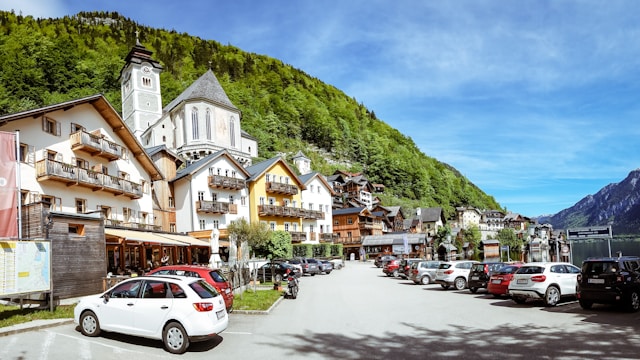
Hallstatt is hardly unknown. By midday, cameras line the lakefront like sunflowers. But I booked a room above a family-run bakery and stayed after the last bus pulled away. That is when Hallstatt changed.
At six the next morning, the lake lay still as glass. A lone swan drifted across the water. The baker, Herr Leitner, handed me a warm roll and pointed toward a path climbing behind the church. “Go before breakfast,” he said.
The trail rose quickly. From above, the village looked like a model set: timber houses pressed between mountain and water. No voices reached me—just cowbells in the distance. I sat on a damp rock and watched the sun spill over the Dachstein peaks.
Later, back in the square, I noticed details I had missed the day before: carved doorframes, fading frescoes, a fisherman mending nets by hand. Staying overnight turned a famous stop into a lived experience.
Albarracín, Spain – Stone Walls and Stillness
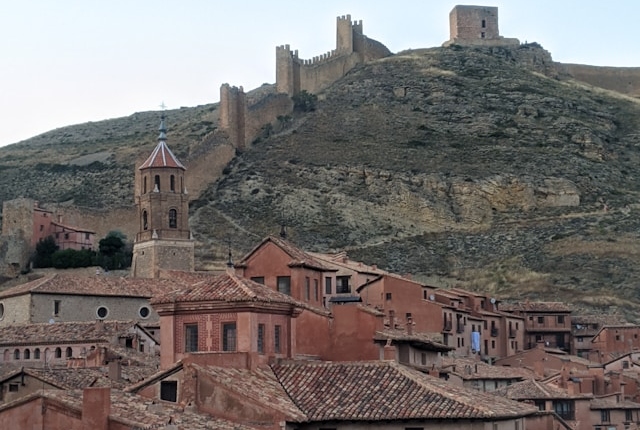
Albarracín rises behind pink-toned walls in the hills of Aragón. I reached it at golden hour, when the stone caught the last light and seemed to glow from within. From the old Moorish ramparts, rooftops layered against rugged cliffs, and the river traced a silver line below. The climb was steep, yet the view held me still.
Inside the walls, I met Diego, a craftsman shaping wooden bowls in a workshop scented with pine. He told me he teaches local teenagers after school, passing down techniques his grandfather once showed him. “If we leave,” he said, “the village becomes a museum.” In that small room, surrounded by curls of wood, the idea felt real.
I wandered through narrow lanes where no cars pass and conversations drift from open windows. Albarracín restores your senses. No flashing signs. No background music. Just footsteps echoing on stone and the faint clang of dishes from a nearby kitchen.
This journey had stretched across weeks, so before setting off, I moved most of my belongings into long-term storage for frequent travelers. While planning, I had skimmed a practical guide about finding a safe place for your valuables during extended trips, which nudged me to simplify everything at home. By the time I reached Spain, I was carrying only what fit in a single backpack. In Albarracín, that lightness felt symbolic. I could sit on a low wall at dusk and watch swallows circle the towers without thinking about logistics or what I had left behind.
Albarracín became my final stop in a circuit of hidden European villages worth exploring, and it confirmed something simple: small places can anchor you more firmly than any grand city ever could.
Guarda, Switzerland – Beyond the Glitz
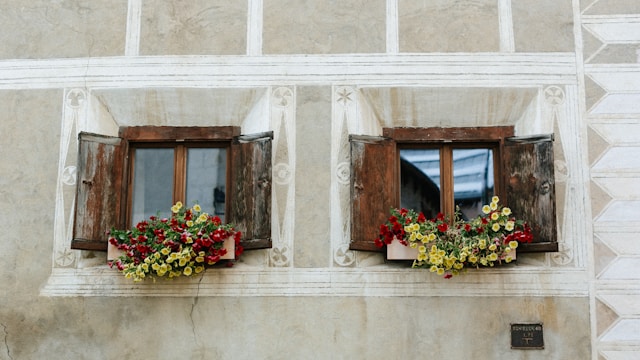
I took the slow train into the Lower Engadin, climbing through tunnels and pine forests until Guarda appeared, perched on a sunlit terrace. That is Switzerland beyond the glitz of St. Moritz, where painted houses glow in shades of saffron and blue.
My guesthouse owner, Marta, met me at the station in a tiny electric car. She laughed when I asked about nightlife. “We have stars,” she said, pointing upward.
Guarda moves at a deliberate pace. Farmers guide cows through the lanes at dusk. Window sills overflow with flowers. I followed a footpath above the village and found myself alone with wide Alpine views.
That evening, Marta served barley soup and told me about winters when snow seals the roads. “You learn to rely on neighbors,” she said. Her words lingered. Places like this remain some of the hidden European villages worth exploring because they still function as communities first and destinations second.
Civita di Bagnoregio, Italy – Living on the Edge
Civita announces itself dramatically. You park below and walk across a long pedestrian bridge suspended over a canyon. Wind whips around you. The village rises from rock like a ship at sea.
By late afternoon, day visitors thin out. I crossed the bridge again at sunset, the sky washed in orange. Inside the walls, a shopkeeper named Paolo leaned against his doorway. His family never left, even when landslides threatened to erase the town.
“We stay because it is ours,” he told me.
We shared a glass of local wine in the piazza as cats slipped between stone benches. Silence settled over the lanes. Without crowds, Civita felt fragile yet defiant. I woke early and wandered alone, tracing cracks in ancient walls, aware that time works differently here.
Civita does not shout for attention. It simply endures.
Éguisheim, France – Wine, Windows, and Wandering
Éguisheim curls in concentric circles, its streets looping around a central square like a quiet maze. I arrived during harvest season, when the air carried the scent of crushed grapes, and tractors rolled in slowly from the vineyards.
A handwritten sign led me down a short staircase into a family cellar. Claire, the winemaker, poured a pale Riesling and asked where I was from before explaining how each vintage mirrors a specific summer. Rainfall, heat, timing — everything leaves a trace in the glass.
Afterward, I wandered without a map. Timbered houses leaned toward each other as if sharing secrets. Cats slept in window boxes. An older man adjusted wooden shutters and gave me a brief nod of acknowledgment.
What makes Éguisheim stand out becomes clear as you spend more time in its lanes:
- Circular streets that encourage slow wandering rather than direct routes.
- Family-run wine cellars where conversations matter as much as tastings.
- Harvest season energy that brings locals together in shared routines.
- Evening gatherings in the square with no performance, just presence.
By dusk, villagers stood outside with glasses in hand. No stage. No spectacle. Just neighbors catching up after a day’s work. Éguisheim earns its place among hidden European villages worth exploring because it invites participation instead of observation. You are not watching culture from the sidelines. You are sitting inside it.
Savoca, Sicily – One Of The Hidden European Villages Worth Exploring
Savoca rises above the Ionian Sea, far from crowded beaches. I climbed narrow steps before breakfast and found the piazza nearly empty. A café owner named Rosa wiped down tables while the church bells rang.
She served espresso strong enough to wake the entire hillside. We talked about her grandmother’s recipes and the rhythm of village life. Later, she insisted I try almond granita with a warm brioche. Those simple flavors captured the tastes of Sicily more clearly than any elaborate restaurant menu.
In the afternoon, I walked to the ruins of a castle overlooking terraced lemon groves. The sea shimmered below. Children kicked a ball in an alley. Laundry swayed overhead.
Savoca feels unhurried. You notice how people greet each other by name. You taste ingredients grown within sight of your table. It reminded me that travel is often about appetite, not for landmarks but for connection.

The Reward of Choosing Small
On my final morning in Savoca, mist rolled over the hills. I stood alone in the square as shutters opened one by one. The scent of coffee drifted outward. These hidden European villages, worth exploring, did not overwhelm me. They invited me in. I learned to wake early, to linger in conversation, to accept that the best stories unfold slowly. When you choose small places, you trade spectacle for substance. You return home with names, not just photos. And long after the trip ends, you remember the sound of bells at dusk, and the warmth of bread passed across a wooden counter.