• Skip to main content
  • Skip to primary sidebar
  • HOME
  • About Us
  • Writers Guidelines
  • Contact
  • Find Hotel Deals
  • Find Airfare Deals

Traveling Tales

Travel articles and information

World travel

Travel Habits That Help You Feel Less Like a Tourist

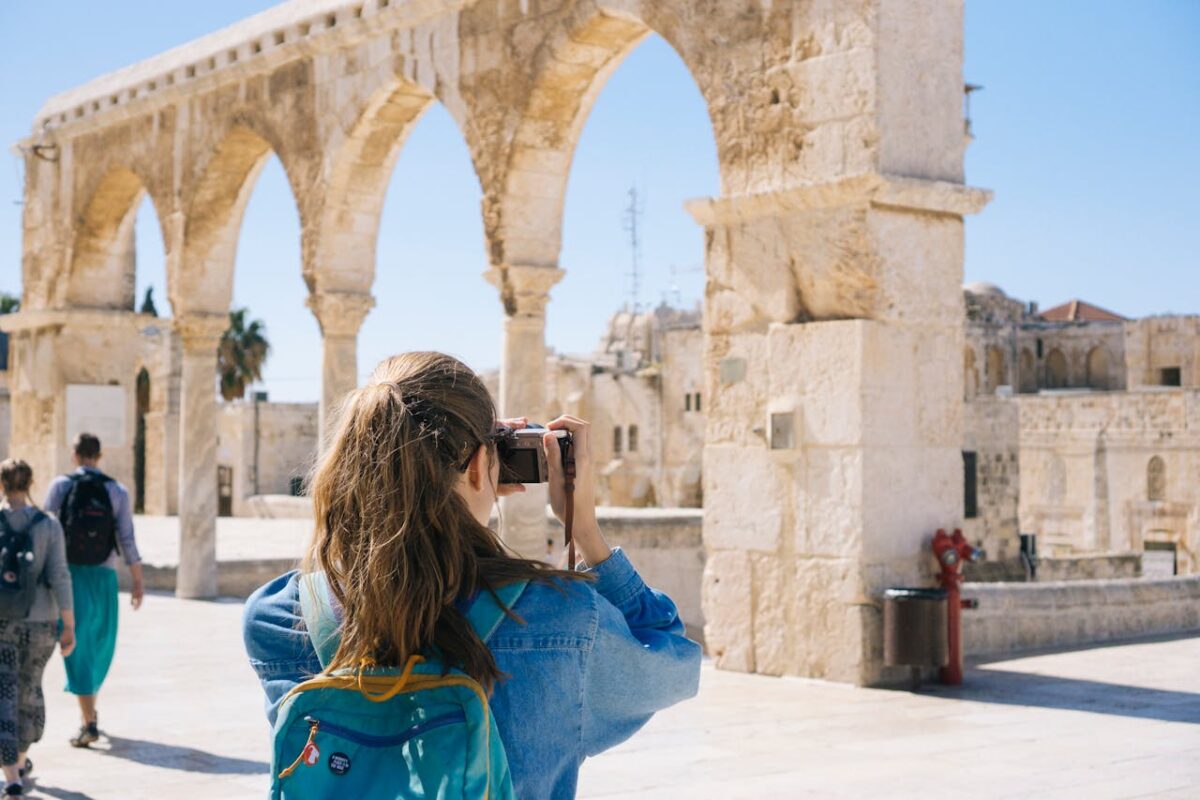
Woman taking photos of monuments, ruins

Some travelers blend in quickly, while others stand out within minutes. If you’ve ever felt eyes on you for pulling out a large map or speaking too loudly, you’re not alone. Standing out as a tourist can make you a target for scams, cause misunderstandings, or even limit what you experience. Adopting travel habits that help you engage with a place more naturally can change the way you’re treated—and how much you enjoy the trip. By adjusting small behaviors, you reduce friction and make the entire experience feel more grounded, less performative, and more respectful.

Start Learning Before You Arrive

Spending a few hours on research before your trip can improve your daily experience once you land. Look beyond sightseeing lists and focus on how people live. Learn how they greet each other, what’s considered polite, and what’s better avoided.

Practice basic phrases in the local language, even if you’re not fluent. Simple words like hello, please, and thank you help you come across as considerate. Locals tend to respond more openly when visitors make even small efforts.

Check local news or events happening during your stay. Awareness of strikes, closures, or major holidays helps you avoid surprises. It also signals that you’re paying attention to your surroundings, not just passing through.

Choose Local Over Familiar, Even When It’s Small

Many visitors default to what they know—chain restaurants, international hotels, or tour-heavy zones. But small decisions can bring you closer to the everyday pace of local life. Staying in a residential neighborhood often leads to more natural interactions.

Instead of large hotels, try a guesthouse or short-term rental. This often places you near local grocers, schools, or parks, where people follow regular routines. You’ll see how people live rather than just where they serve tourists.

Visit corner shops, bakeries, or markets where prices are marked, and conversation flows easily. These places are less curated for outsiders and more consistent in quality.

Observe before joining in. Watch how people order food, interact in shops, or wait for public transit. Quiet observation prevents confusion and helps you adjust your own behavior.
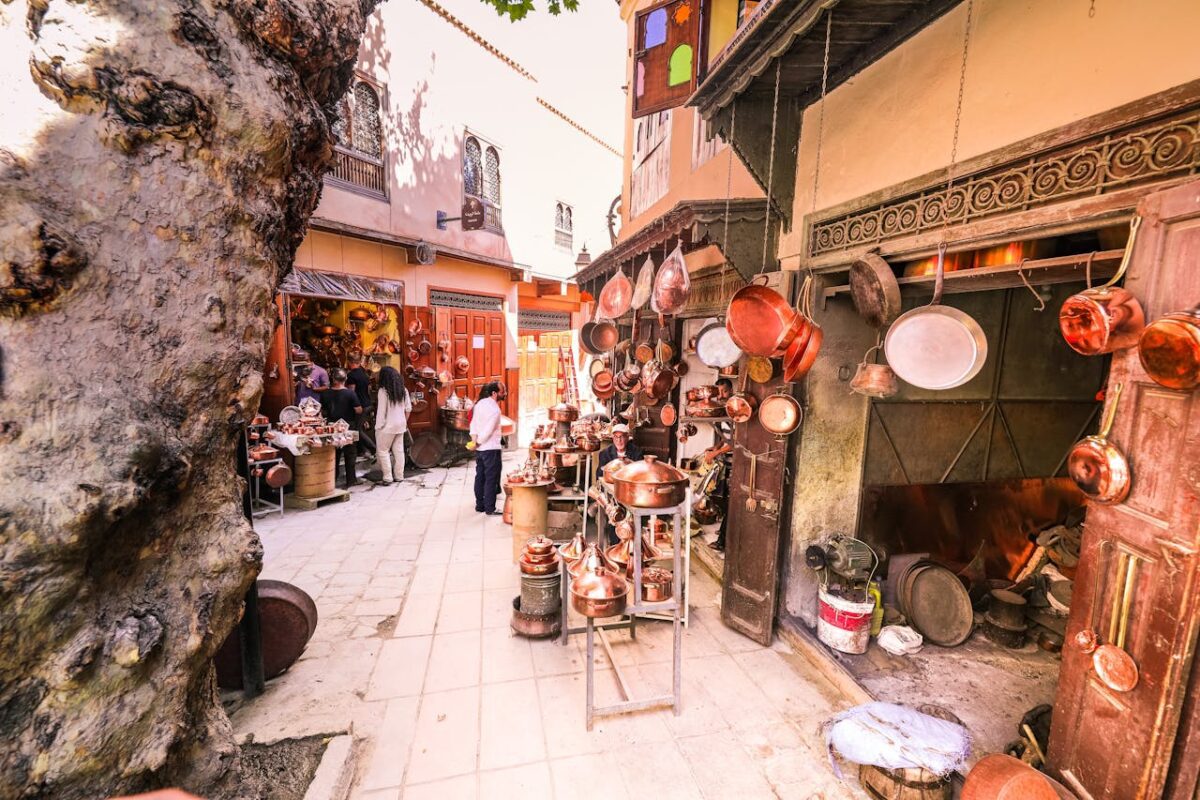
Copper pots and pans in a shop, local cookware hanging on the walls
One of the travel habits that helps you in the long run is looking for the places where locals go.

Respect the Rhythm of Local Life

Each place runs at its own pace. Mealtimes, business hours, and even levels of noise differ widely. Adapting to this rhythm helps you avoid conflict and feel more settled.

If people eat lunch at 2 p.m., showing up at noon may leave you with fewer options. If shops close on Sundays, plan accordingly. Flexibility shows you’re paying attention, not just pushing your routine on someone else’s country.

Be aware of how your volume, clothing, and actions affect those around you. What feels casual where you live might be distracting or disrespectful elsewhere. Avoid drawing attention through behavior that clashes with local expectations.

Some apartment buildings may have quiet hours. Public transport etiquette may discourage loud calls. Small details like these shape how others view your presence in their space.

If you’re storing travel gear between stops, make sure you’re not overpaying for space you don’t need. To avoid waste, learn how to pick the right storage unit size for your gear and trip needs. If you’re comparing providers, see which options match your equipment list and travel length—then choose the right one to avoid hidden fees and extra trips.

Use Public Transportation Like a Resident

Private transportation may feel easier, but it disconnects you from the people who live there. Using public systems improves your sense of direction and makes your presence less disruptive.

Before your trip, look up basic details—how to buy tickets, which lines serve key areas, and common rules. Many cities offer apps that help track buses or trains in real time.

Learn about passes or discount cards if you’re staying for several days. These usually save money and reduce friction. Try to avoid blocking entrances, talking loudly, or standing too close to others.

Adopting travel habits that help you move through transit like someone who lives there will lower your stress and improve your confidence. It also shows locals you care enough to learn their system.
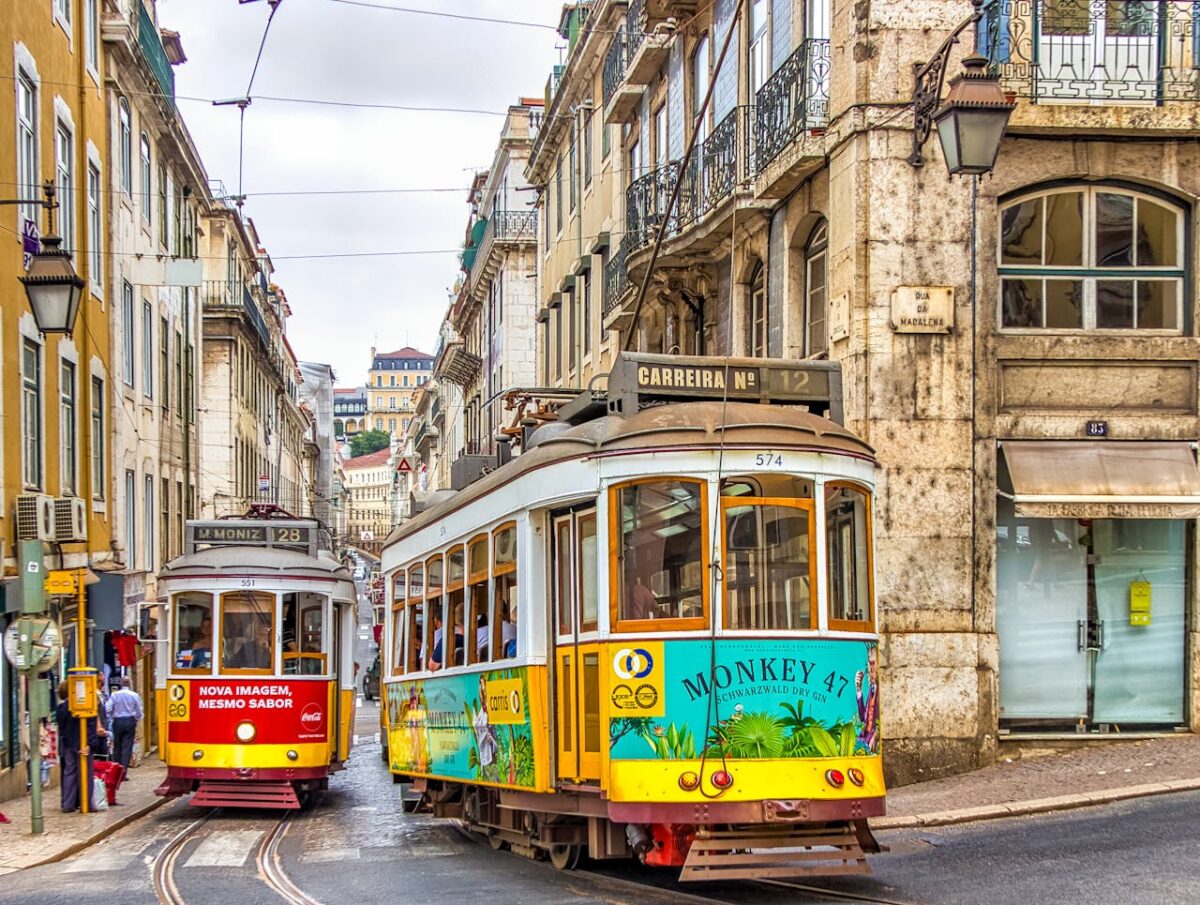
Colorful trams through a city, local transportation
The best way to travel, particularly in highly touristic locations, is always via local transportation

Travel Habits That Help You Avoid Feeling Rushed

Short trips can tempt you to overfill your days. You might feel pressure to see everything, especially if it’s your first time somewhere. But tight schedules often lead to shallow experiences. Slowing down changes how you see a place.

Choose fewer attractions and spend more time on each. A full afternoon in one park or museum reveals more than ten minutes in ten places. You’ll remember details better when your mind isn’t constantly switching tasks.

Consider walking or biking instead of using cars or cabs. Slower transportation allows you to notice storefronts, smells, sounds, and people. Even getting lost can feel more manageable and informative when you’re on foot.

Taking your time also makes you less noticeable. Locals are more likely to see you as someone interested, not just consuming. Adopting travel habits that help you stay present creates more relaxed and respectful exchanges.

Engage With Locals Respectfully

Curiosity is useful, but it should never override basic manners. Ask questions politely. Don’t interrupt people’s routines just because you want a story, photo, or recommendation.

Start with greetings. In many places, it isn’t polite to ask something without first saying hello. A simple “Good morning” in the local language earns more goodwill than diving straight into questions.

Join public life without treating it as a performance. Parks, street markets, and transit stations offer real insight into how people live. Spend time there without pulling out your phone every few minutes.

Instead of snapping photos constantly, try having short conversations. Ask vendors about products, or talk to someone waiting in line. These chats often give more depth than any guidebook entry.

Where Awareness Turns Visits Into Real Experiences

Looking less like a tourist doesn’t mean trying to hide where you’re from. It means showing respect for where you are. People often respond better when you act with care instead of rushing or demanding. Practicing travel habits that help you stay aware, slow down, and connect can turn a short visit into something meaningful. These choices make each interaction smoother and more real. With preparation and respect, you don’t just pass through—you fit in just enough to be welcomed, not avoided. That makes the experience better for both you and the people who live there.


Culinary Markets Around the World Travelers Should Visit

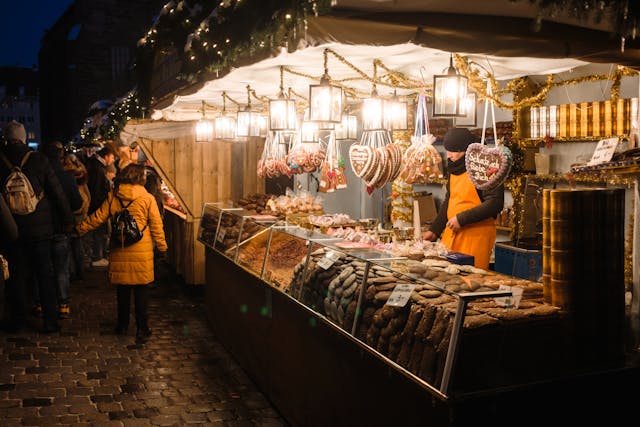
Christmas market with gingerbreads in Nuremberg goesTravel often begins with food, and markets give the clearest view of local life. Culinary markets around the world bring together farmers, cooks, and families who share daily meals and time-tested habits. In Istanbul, vendors line busy streets with fresh bread, olives, and spices that reflect centuries of trade. Markets turn simple shopping into a social event. Travelers hear stories, smell fresh produce, and taste dishes made with care. These places help visitors understand culture through flavor, color, and sound. A good market visit can shape memories that last long after a trip ends.

New Orleans and the Joy of Creole Flavor

New Orleans offers a lively market scene shaped by Creole and Cajun cooking. Stalls serve gumbo, po’boys, and hot beignets made fresh each morning. The foodie’s guide to New Orleans often points visitors to markets where cooks share family recipes and friendly talk. Seafood sellers display shrimp and oysters caught nearby. Music drifts through the aisles and adds rhythm to each step. The city uses markets as gathering places where neighbors meet, and visitors feel welcome.

Tokyo and the Precision of Seafood

Tokyo markets show deep respect for ingredients and skill. Fish sellers arrange tuna and shellfish with care, and chefs arrive early to select the best cuts. Many travelers call Tokyo one of the best destinations for foodies because markets offer sushi, noodles, and snacks prepared with focus and speed. Clear signs and polite service keep crowds moving. Each visit teaches visitors how attention to detail shapes Japanese cooking.

Bangkok and Street Food Energy

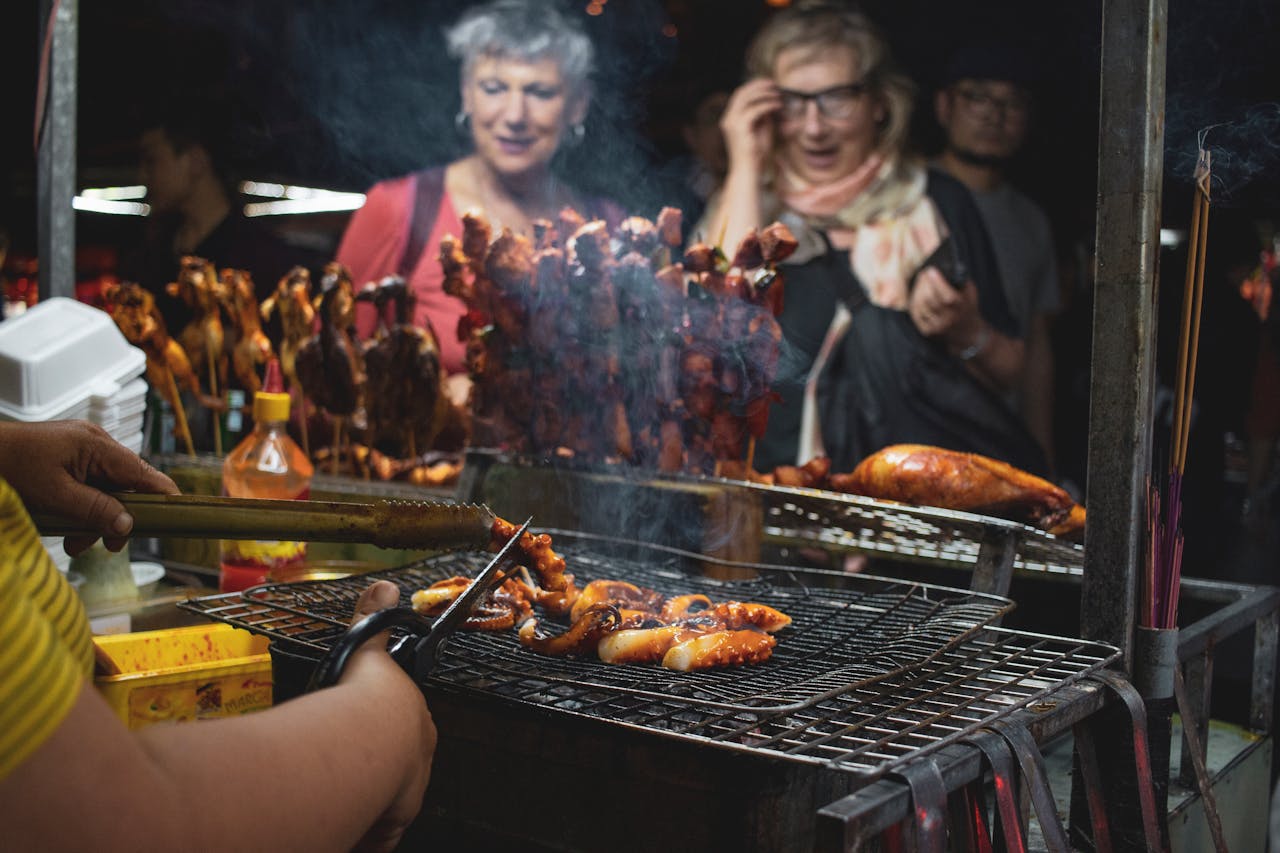
Bangkok markets thrive on motion and aroma. Vendors cook noodles, grilled meats, and curries in open stalls. Locals stop for quick meals before work or late at night. Fresh herbs, chilies, and fruit fill the air with sharp scents. Visitors taste sweet mango, spicy soups, and crisp snacks in one walk. Bangkok shows how markets support daily life and keep food affordable.

Niagara and Regional Comfort

Markets near Niagara Falls focus on regional produce and local pride. Farmers sell apples, cheese, and baked goods made with care. The phrase wine and dine in Niagara fits well here since many stalls pair food with local wines. Shoppers enjoy calm paths and friendly talk. The area shows how markets can feel relaxed while still offering high quality and strong flavor.

Barcelona and Shared Plates

Barcelona markets celebrate shared meals and bold taste. Vendors display cured meats, seafood, and bright vegetables. Locals stop for tapas and quick bites during busy days. One stall may sell olives while another grills fresh fish. This city shows how culinary markets around the world support social habits through food that invites sharing. Visitors learn that meals often bring people together for conversation and rest.

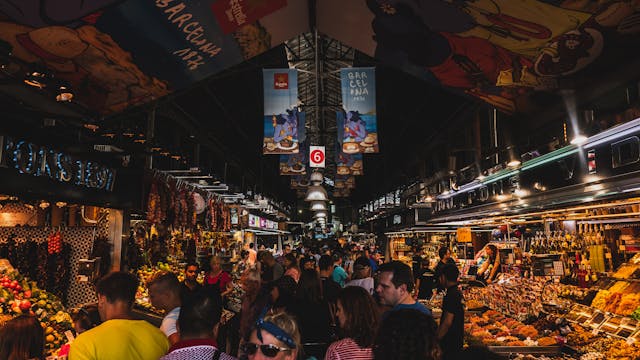
people on La Rambla market
Barcelona markets burst with flavor and color, where cured meats, fresh seafood, and vibrant vegetables create a space for sharing meals, conversation, and community.

Mexico City and Heritage Cooking

Culinary markets around the world shine in Mexico City through markets that protect old recipes. Vendors prepare tacos, tamales, and soups with corn, beans, and chili. Families pass cooking methods across generations. Colors fill every corner, from fresh salsas to handmade sweets. Markets help preserve history while serving daily needs. Visitors see how food connects people to their roots.

Marrakech and Spice Traditions

Marrakech markets rely heavily on spices and slow-cooked dishes that define Moroccan cuisine. Sellers offer cumin, cinnamon, saffron, and dried herbs in colorful, open sacks that fill the air with a heady aroma. Street cooks prepare tagines, couscous, and flatbreads with steady hands, often cooking over open flames for hours. The market layout feels dense, bustling, and alive with chatter, laughter, and the rhythmic calls of vendors. Shoppers bargain enthusiastically while tasting warm, fragrant dishes fresh from the stove. Visitors witness how these markets serve as centers of trade, daily life, and cultural exchange. Every corner of Marrakech’s markets tells a story, blending centuries-old culinary traditions with the vibrant energy of modern city life.

Napa Valley and Fresh Pairings

Napa Valley markets reflect the region’s dedication to farm-based cooking and fresh, high-quality produce. Farmers’ stands sell seasonal fruits, heirloom vegetables, and organic herbs grown in nearby fields. Artisans offer fresh bread, creamy cheeses, and small-batch oils. Many visitors come here specifically for California wine country, where food and wine are paired thoughtfully to highlight local flavors. Market-goers enjoy tasting samples, chatting with producers, and learning about farm-to-table practices. The relaxed atmosphere invites travelers to slow down, savor each bite, and understand the care behind every product.

Seoul and Balanced Meals

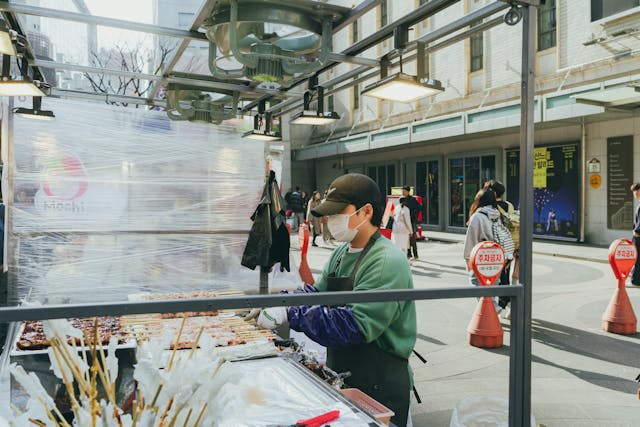
Seoul’s markets focus on harmony, balance, and communal eating. Vendors sell freshly made kimchi, rice cakes, seasoned vegetables, and marinated grilled meats. Shoppers often purchase side dishes in small portions to assemble into complete meals at home, reflecting the Korean value of variety in dining. Despite the steady flow of people, the markets maintain an organized rhythm, with clear aisles and polite vendor interactions. Visitors observe how Korean cooking values balance—spicy, sweet, sour, and savory flavors appear in every meal. Markets are not just places to buy food; they are classrooms for cultural education.

street food vendor in Seoul city center
Seoul’s markets offer a taste of harmony and balance, where vibrant kimchi, grilled meats, and diverse side dishes teach the art of communal eating and Korean culinary traditions.

Singapore and Cultural Mix

Singapore’s markets showcase a rich tapestry of cultures and culinary influences. Stalls serve noodles, rice dishes, and desserts inspired by Chinese, Malay, and Indian cuisines, creating a vibrant blend of tastes in one location. The market spaces are clean and well-organized, making navigation easy for visitors who want to sample multiple dishes in one visit. Locals sit at communal tables, sharing meals and conversation while enjoying freshly prepared snacks and drinks. Singapore’s markets highlight how food can unite diverse communities while preserving cultural traditions. Every dish tells a story of heritage, adaptation, and innovation, offering a unique window into Singapore’s culinary identity.

Why Culinary Markets Around the World Matter for Travelers

Culinary markets around the world offer more than food; they offer understanding. In Lima, markets highlight fresh fish, corn, and citrus used in local dishes. Travelers learn by tasting and watching daily routines. Markets support local farmers and cooks while welcoming visitors. Each stop adds depth to a journey and shows how food shapes community. Visiting markets helps travelers connect with places in honest and memorable ways.

How to Turn a Weekend Getaway Into an Unexpected Adventure

How to Turn a Weekend Getaway Into an Unexpected Adventure

Weekend trips often follow the same routine. Many people check into a hotel, visit common spots, then return home unchanged. You can create a stronger memory by shifting the way you plan and move through new places. Small choices guide you toward surprise and help you shape your own ideas and turn a weekend getaway into an unexpected adventure.

Choose a Flexible Plan Instead of a Strict Schedule

Setting strict timelines usually removes space for discovery. You enjoy more freedom when you keep your plan open. One main activity gives you structure while the rest of your day stays light. This balance reduces pressure and helps you enjoy new details around you.

Several travel surveys show that flexible plans raise satisfaction levels. People feel more relaxed when time is not packed with fixed commitments. You can walk slower, notice details, and follow new ideas with less stress. This approach creates easier pathways toward fresh experiences.

You can choose one major activity, such as a museum visit, a hike, or a food stop. The rest of your day opens for wandering. These hours often bring small surprises you could not predict earlier. A relaxed structure sets the right tone for the entire getaway.

Say Yes to Detours and Local Curiosity

Small detours create unexpected highlights. Turning onto a quiet road may lead you toward views or local events you never planned to see. Many travelers report that their favorite moments began with one unplanned stop. These discoveries build your confidence to trust your instincts.

A short conversation with a local person can change your path. People enjoy sharing simple suggestions, such as a fresh bakery or a quiet viewpoint. You gain access to spots rarely mentioned online. This openness helps you shape a fresh plan without much effort.

You can also check small boards, markets, or street posters. These displays often mention pop-up events, local shows, or public gatherings. Following these cues adds energy to your getaway. With each small shift, your day grows more personal and active.

Mix Comfort With Challenge to Spark Fresh Energy

A comfortable routine keeps you grounded, yet one new challenge raises excitement. Trying an activity you rarely do pushes you into new territory. This shift brings renewed energy and helps you feel present. Even small challenges produce a strong impact.

You can choose simple goals. A sunrise walk offers quiet space at the start of your day. Renting a kayak in a safe area provides gentle movement without heavy effort. These changes help your mind and body work together.

Research shows that new skills support confidence. Your mind stays active while your body adjusts to fresh input. Each challenge adds a layer of progress. You finish your trip feeling engaged and more open to future experiences.

Sometimes a challenge also comes from daily routines. You may find yourself thinking about home tasks and how to improve them. This moment provides the right space for practical reflection. You can examine things such as how to choose a storage unit for your needs or even how to handle putting your belongings away more efficiently when you return.

How to Turn a Weekend Getaway Into an Unexpected Adventure (1)”
A small challenge during your trip boosts energy, sharpens focus, and encourages useful reflection on simple daily tasks.

Build Moments of Play Into Your Day

Play improves your mood and increases engagement. You stay more open to surprises when the day includes light, spontaneous activities. Simple games with your travel partner or solo challenges help your energy stay balanced. These activities also break long stretches of structured movement.

You can create quick missions such as finding an unusual mural or trying a new dessert. These small goals bring a sense of fun. They help you pay attention to your surroundings with clearer focus. You feel less rushed and more connected to each moment.

Psychology research shows that short periods of play reduce stress. Lighthearted tasks give your mind a break from pressure. This pause helps you absorb your environment with more interest. These effects make it easier to turn a weekend getaway into an unexpected adventure without forcing the experience.

Photo prompts also add play to your day. You may decide to capture specific objects or patterns. This approach trains your eyes to notice details you might ignore. You end your day with both memories and visual reminders.

Use Local Food as a Route to Discovery

Food reflects local habits, traditions, and community values. Trying unfamiliar meals brings you closer to the area you visit. You learn through taste, texture, and small conversations with staff. These interactions guide you toward meaningful discoveries.

Many travelers report that asking for local recommendations leads to better choices. Staff members know where to find fresh items or seasonal favorites. You gain access to options you may not find by searching alone. These exchanges shape your understanding of the area.

Even simple snacks support exploration. Visiting markets early in the day exposes you to new scents and colors. You watch how people shop and connect. These experiences anchor you in the present moment and help you build stronger memories.

Street stalls provide another layer of discovery. You taste quick bites prepared by people who take pride in their craft. These moments often turn into small stories. Food becomes part of your path rather than a pause in your day.

Local food opens a direct path to discovery through fresh tastes, simple conversations, and everyday moments that connect you to the place.

Create Space for an Unexpected Adventure Through Small Shifts

Your mindset shapes every short trip. You set the tone by staying open and letting small choices guide you. One spontaneous decision can redirect your entire day. Each shift builds momentum and opens new paths.

Many travelers describe their favorite moments as unplanned. A quick stop or random turn can lead to surprising views or interactions. These surprises encourage you to stay curious during future trips. Curiosity builds a strong pattern of exploration.

You do not need major changes, like attempting a Titanic exploration, to create meaningful experiences. Adjusting your timing or choosing a new route can be enough. These small steps help you treat ordinary moments with fresh interest. Your weekend trip becomes more personal and more active.

This pattern continues as you move through new spaces. You begin to look for details with stronger attention. Your mind remains focused yet relaxed. This balance helps you welcome new experiences with ease.

Bringing Your Weekend Experience Full Circle

Short trips grow more meaningful when you apply simple adjustments. A flexible plan, small challenges, and open curiosity shift your entire experience. You build deeper memories by trusting your sense of exploration and allowing space for change. These choices turn a weekend getaway into an unexpected adventure every time you travel.


Primary Sidebar

Articles by Location

USA Travel Stories

Canada Travel Stories

Mexico Travel Stories

United Kingdon & Ireland

Europe Travel Stories

Middle East Travel Stories

Asia Travel Stories

Africa Travel Stories

Australia & New Zealand

Caribbean Travel Stories

Central America Travel

South America Travel

South Pacific Travel

Authors

Search This Site

Copyright © 2026 · Magazine Pro On Genesis Framework · WordPress · Log in