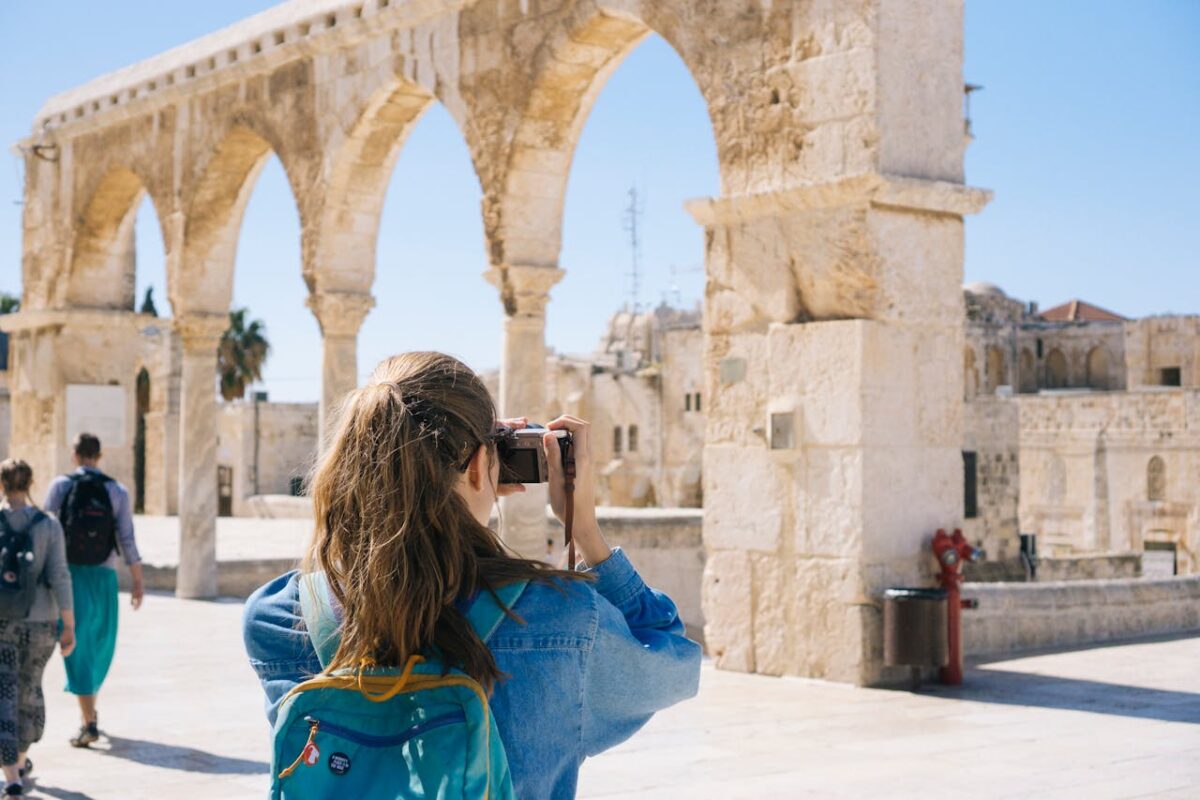
Some travelers blend in quickly, while others stand out within minutes. If you’ve ever felt eyes on you for pulling out a large map or speaking too loudly, you’re not alone. Standing out as a tourist can make you a target for scams, cause misunderstandings, or even limit what you experience. Adopting travel habits that help you engage with a place more naturally can change the way you’re treated—and how much you enjoy the trip. By adjusting small behaviors, you reduce friction and make the entire experience feel more grounded, less performative, and more respectful.
Start Learning Before You Arrive
Spending a few hours on research before your trip can improve your daily experience once you land. Look beyond sightseeing lists and focus on how people live. Learn how they greet each other, what’s considered polite, and what’s better avoided.
Practice basic phrases in the local language, even if you’re not fluent. Simple words like hello, please, and thank you help you come across as considerate. Locals tend to respond more openly when visitors make even small efforts.
Check local news or events happening during your stay. Awareness of strikes, closures, or major holidays helps you avoid surprises. It also signals that you’re paying attention to your surroundings, not just passing through.
Choose Local Over Familiar, Even When It’s Small
Many visitors default to what they know—chain restaurants, international hotels, or tour-heavy zones. But small decisions can bring you closer to the everyday pace of local life. Staying in a residential neighborhood often leads to more natural interactions.
Instead of large hotels, try a guesthouse or short-term rental. This often places you near local grocers, schools, or parks, where people follow regular routines. You’ll see how people live rather than just where they serve tourists.
Visit corner shops, bakeries, or markets where prices are marked, and conversation flows easily. These places are less curated for outsiders and more consistent in quality.
Observe before joining in. Watch how people order food, interact in shops, or wait for public transit. Quiet observation prevents confusion and helps you adjust your own behavior.

Respect the Rhythm of Local Life
Each place runs at its own pace. Mealtimes, business hours, and even levels of noise differ widely. Adapting to this rhythm helps you avoid conflict and feel more settled.
If people eat lunch at 2 p.m., showing up at noon may leave you with fewer options. If shops close on Sundays, plan accordingly. Flexibility shows you’re paying attention, not just pushing your routine on someone else’s country.
Be aware of how your volume, clothing, and actions affect those around you. What feels casual where you live might be distracting or disrespectful elsewhere. Avoid drawing attention through behavior that clashes with local expectations.
Some apartment buildings may have quiet hours. Public transport etiquette may discourage loud calls. Small details like these shape how others view your presence in their space.
If you’re storing travel gear between stops, make sure you’re not overpaying for space you don’t need. To avoid waste, learn how to pick the right storage unit size for your gear and trip needs. If you’re comparing providers, see which options match your equipment list and travel length—then choose the right one to avoid hidden fees and extra trips.
Use Public Transportation Like a Resident
Private transportation may feel easier, but it disconnects you from the people who live there. Using public systems improves your sense of direction and makes your presence less disruptive.
Before your trip, look up basic details—how to buy tickets, which lines serve key areas, and common rules. Many cities offer apps that help track buses or trains in real time.
Learn about passes or discount cards if you’re staying for several days. These usually save money and reduce friction. Try to avoid blocking entrances, talking loudly, or standing too close to others.
Adopting travel habits that help you move through transit like someone who lives there will lower your stress and improve your confidence. It also shows locals you care enough to learn their system.

Travel Habits That Help You Avoid Feeling Rushed
Short trips can tempt you to overfill your days. You might feel pressure to see everything, especially if it’s your first time somewhere. But tight schedules often lead to shallow experiences. Slowing down changes how you see a place.
Choose fewer attractions and spend more time on each. A full afternoon in one park or museum reveals more than ten minutes in ten places. You’ll remember details better when your mind isn’t constantly switching tasks.
Consider walking or biking instead of using cars or cabs. Slower transportation allows you to notice storefronts, smells, sounds, and people. Even getting lost can feel more manageable and informative when you’re on foot.
Taking your time also makes you less noticeable. Locals are more likely to see you as someone interested, not just consuming. Adopting travel habits that help you stay present creates more relaxed and respectful exchanges.
Engage With Locals Respectfully
Curiosity is useful, but it should never override basic manners. Ask questions politely. Don’t interrupt people’s routines just because you want a story, photo, or recommendation.
Start with greetings. In many places, it isn’t polite to ask something without first saying hello. A simple “Good morning” in the local language earns more goodwill than diving straight into questions.
Join public life without treating it as a performance. Parks, street markets, and transit stations offer real insight into how people live. Spend time there without pulling out your phone every few minutes.
Instead of snapping photos constantly, try having short conversations. Ask vendors about products, or talk to someone waiting in line. These chats often give more depth than any guidebook entry.
Where Awareness Turns Visits Into Real Experiences
Looking less like a tourist doesn’t mean trying to hide where you’re from. It means showing respect for where you are. People often respond better when you act with care instead of rushing or demanding. Practicing travel habits that help you stay aware, slow down, and connect can turn a short visit into something meaningful. These choices make each interaction smoother and more real. With preparation and respect, you don’t just pass through—you fit in just enough to be welcomed, not avoided. That makes the experience better for both you and the people who live there.