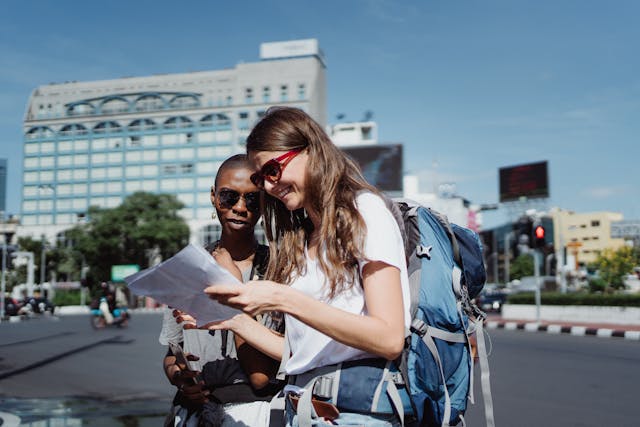
Travel should feel exciting, yet many people unknowingly follow routines that increase tension. These common travel habits often develop from past trips or advice that no longer works. People repeat the same mistakes because they feel familiar and safe. A packed schedule, poor timing, and lack of flexibility can quickly turn a relaxing trip into a tiring one. Stress builds when expectations fail to align with reality. Even small issues can feel bigger when you are far from home. Recognizing these patterns is the first step to improving your travel experience.
Planning Too Much and Leaving No Room to Breathe
Many travelers believe a full itinerary guarantees a better trip, yet this approach often leads to exhaustion. The pressure to see everything can take the joy out of simple moments. Instead of enjoying a place, people rush through it. This mindset makes travel feel more like a checklist than an experience. A balanced plan allows time for rest and discovery. Travelers who shift their mindset to less like a tourist often notice more meaningful moments. They begin to enjoy the rhythm of a destination instead of racing against time.
Ignoring Personal Limits During Travel
Ignoring your personal limits during travel can turn an exciting trip into an exhausting one. Even when you feel eager to see and do everything, your body still needs rest, food, and time to recover. When you keep moving without enough breaks, you can lose energy fast and become irritated, tired, or overwhelmed by small changes. That is why it helps to slow the pace, leave room in your schedule, and pay attention to what you actually need throughout the day.
In many ways, the same mindset behind how to make moving less stressful applies here too, because planning ahead, packing smart, and delegating when possible can lower stress and make it less overwhelming, especially when relocation plans shift unexpectedly. When you respect your limits, you enjoy the experience more and handle disruptions with a clearer mind.
Packing Without a Clear Strategy
Overpacking creates unnecessary stress before the trip even begins. Heavy luggage slows you down and limits your flexibility. It also increases the chance of losing or forgetting items. Packing should focus on essentials and versatility. Choose items that serve multiple purposes. This approach saves time and reduces decision fatigue during your trip. A lighter bag often leads to a lighter mindset.
Traveling Only During Peak Times
Many travelers follow the same schedules, which leads to crowded destinations and higher costs. Choosing off-season travel can completely change your experience. You avoid long lines and enjoy a calmer environment. Prices for flights and accommodation often drop during quieter periods. That allows you to stretch your budget further. Destinations also feel more authentic without large crowds. A small shift in timing can create a much more relaxed trip.
Relying Too Much on Technology
Phones and apps can help, but they can also distract from the experience. Constant checking of maps, reviews, and notifications can interrupt your focus. Many travelers spend more time looking at screens than at their surroundings. Technology should support your trip, not control it. Try to learn basic directions or ask locals for help. That creates more natural interactions. It also helps you stay present in the moment.
Choosing Destinations Without Considering Your Preferences
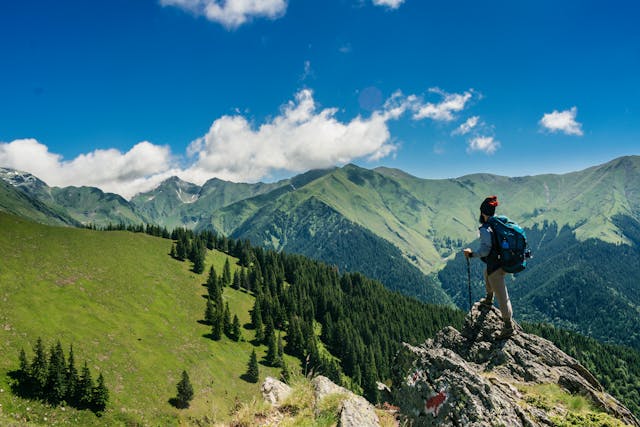
Some travelers pick locations based on trends instead of personal interests. That often leads to disappointment and stress. A destination should match your pace and expectations. For example, some people feel more relaxed when they travel to the mountains instead of busy cities. Others prefer cultural experiences or coastal views. Understanding your preferences helps you make better choices. It also increases your overall satisfaction.
Skipping Research on Local Culture
A lack of cultural awareness can create awkward or stressful situations. Simple mistakes in behavior or communication can lead to confusion. Learning a few local customs can make a big difference. It shows respect and builds positive interactions. Even basic phrases in the local language can help. This preparation creates smoother experiences. It also helps you feel more confident during your trip.
Underestimating Travel Time Between Activities
Many itineraries fail because people misjudge travel distances. Moving from one place to another often takes longer than expected. Traffic, delays, and navigation issues can disrupt your plans. That leads to frustration and missed opportunities. Allow extra time between activities to reduce pressure. A flexible schedule can absorb unexpected delays. This simple adjustment improves the flow of your trip.
Not Setting a Realistic Budget
Financial stress can affect every part of your travel experience. Many travelers underestimate daily expenses or forget hidden costs. That can lead to anxiety and difficult decisions during the trip. A clear budget helps you stay in control. It also allows you to enjoy experiences without constant worry—plan for extra expenses to avoid surprises. Financial clarity supports a smoother journey.
Overlooking the Importance of Rest
Rest is often treated as wasted time, but it is essential for a good trip. Without breaks, your energy drops and your mood shifts. That can affect how you see and remember your experiences. Short pauses during the day can improve your focus. Even a quiet moment can reset your mindset. Rest allows you to stay engaged and present. It also helps you avoid burnout.
Trying to Do Everything Alone Is One of the Common Travel Habits
Some travelers avoid asking for help, which can increase stress. Local advice can save time and improve your plans. Hotel staff, guides, and residents often know the best options. Ignoring these resources limits your experience. Asking questions creates connections and new insights. It also helps you feel more supported. Travel becomes easier when you accept help.

Failing to Adapt When Plans Change
Unexpected changes are part of every trip. Flights get delayed, weather shifts, and plans fall apart. Resistance to change can increase frustration. A flexible mindset helps you adjust quickly. Sometimes the best moments come from unplanned situations. Accepting change reduces stress and opens new possibilities. Adaptability is a key travel skill.
Comparing Your Trip to Others
Social media often shapes how people view their travel experiences. Many travelers measure their trips against curated images and stories online. This habit creates unnecessary pressure and reduces personal enjoyment. Instead of focusing on their own journey, people begin to chase unrealistic standards. That is one of the most overlooked common travel habits that quietly increases stress. Every destination offers a unique experience that cannot be compared fairly. When you focus on your own moments, travel becomes more meaningful and satisfying.
Rethinking Travel for a Better Experience
Travel becomes more enjoyable when you recognize and adjust your patterns. Many common travel habits create stress without a clear reason. Simple changes in planning, mindset, and behavior can improve your experience. A slower pace, better preparation, and flexibility all support a smoother trip. Focus on what works for you instead of following trends. Pay attention to your needs and limits. A thoughtful approach allows travel to feel rewarding and calm instead of rushed and stressful.